5 Essential Steps to Master NPTE Lymphatic System Practice Questions
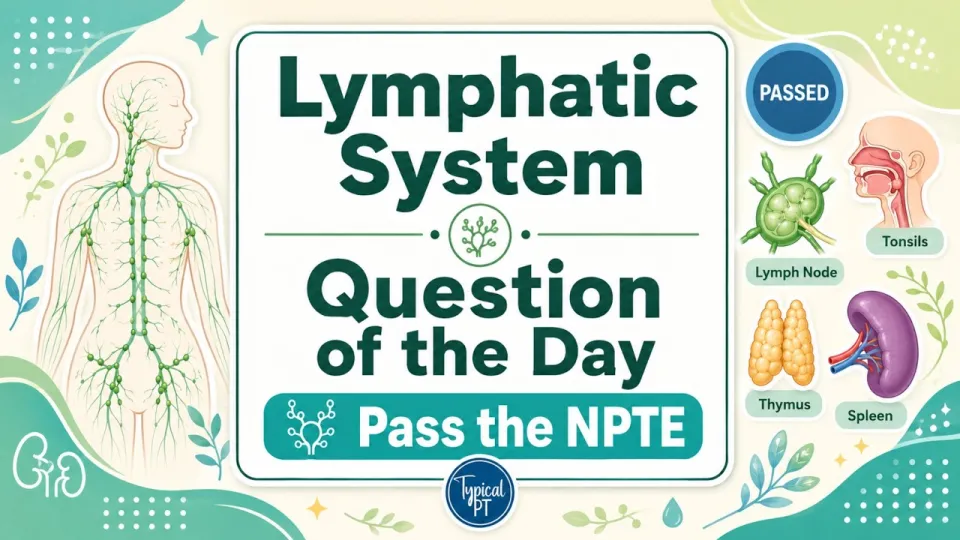
Video: NPTE Lymphatic System Practice Question | Bandaging
· based on the channel Typical PT
Understanding the NPTE lymphatic system questions requires a solid grasp of lymphatic anatomy, lymphedema characteristics, and compression bandaging techniques. This article outlines 5 essential steps to help physical therapy candidates confidently approach NPTE lymphatic system practice questions and select the best answers on exam day. Explore how clinical reasoning applies to lymphatic scenarios and improve your test-taking skills with insights from Typical PT's resources available at Typical PT Free Resources.
1. Review Key Anatomy and Physiology of the Lymphatic System
The lymphatic system plays a critical role in fluid balance, immune function, and waste removal. It consists of lymphatic vessels, nodes, and organs like the spleen and thymus. Understanding lymph flow pathways and how lymph returns to the venous system is essential for recognizing lymphatic dysfunction. Key points include:
- Lymphatic capillaries absorb interstitial fluid.
- Larger collecting vessels transport lymph to lymph nodes.
- The thoracic duct drains most of the body’s lymph into the left subclavian vein.
- Impairments in lymph transport cause fluid accumulation and swelling.
This anatomical knowledge is the foundation for interpreting NPTE clinical scenarios involving lymphatic disorders.
2. Identify Clinical Features of Lymphedema
Lymphedema is a common lymphatic system disorder tested on the NPTE. It results from lymphatic insufficiency leading to protein-rich fluid buildup in the interstitial space. Recognizing lymphedema’s clinical signs is crucial:
- Non-pitting edema that progressively worsens
- Skin changes such as fibrosis or hyperkeratosis
- Positive Stemmer’s sign (inability to pinch the skin at the base of the second toe or finger)
- Limb heaviness or discomfort
Differentiate between primary (congenital) and secondary (acquired, e.g., post-surgical or radiation) lymphedema presentations. This understanding aids in correctly interpreting exam questions.
3. Understand Principles of Compression Bandaging in Lymphedema Management
Compression bandaging is a cornerstone treatment for lymphedema, often tested in NPTE questions. Multilayer compression bandaging applies graduated pressure to reduce swelling and improve lymph flow. Important principles include:
- Using short-stretch bandages to provide high working pressure and low resting pressure.
- Applying bandages from distal to proximal to promote lymphatic drainage.
- Ensuring appropriate tension and layering to avoid skin damage.
- Combining bandaging with elevation and exercise for optimal results.
Knowledge of compression types and bandaging techniques is vital for selecting the correct intervention in clinical NPTE questions.
4. Apply Clinical Reasoning to Choose the Best Intervention
NPTE questions often present a patient scenario involving lymphatic dysfunction. Strong clinical reasoning skills are needed to analyze symptoms, physical findings, and patient history. Follow these steps:
- Identify key clinical signs (e.g., swelling pattern, Stemmer’s sign)
- Assess contraindications for compression (e.g., arterial insufficiency)
- Choose appropriate interventions such as manual lymphatic drainage, compression bandaging, or patient education
- Consider patient-specific factors like mobility and skin integrity
This approach ensures selecting the most effective and safe treatment option.
5. Use NPTE Test-Taking Strategies for Lymphatic System Questions
Maximize your NPTE performance by employing targeted test-taking strategies:
- Read the question stem carefully to identify all relevant details.
- Highlight or mentally note keywords related to lymphatic anatomy, symptoms, or contraindications.
- Eliminate answer choices that are inconsistent with lymphatic physiology or clinical presentation.
- Prioritize answers that reflect current best practices in lymphedema care, such as multilayer compression bandaging.
Practicing with sample questions from resources like Typical PT’s free materials will reinforce these strategies.
Useful Links
- Typical PT Free Resources: https://typicalpt.com/pages/free-resources
Conclusion
Mastering NPTE lymphatic system questions involves a thorough understanding of lymphatic anatomy, lymphedema clinical features, and compression bandaging principles. Applying clinical reasoning and effective test-taking strategies can significantly improve your exam success. The Typical PT channel offers valuable practice questions and study tips to help you prepare confidently for the NPTE. Make use of their free resources to deepen your knowledge and hone your skills.
Keep practicing these 5 essential steps to ensure you are ready to tackle lymphatic system questions on the NPTE with accuracy and confidence.
Key takeaways
- Lymphatic system dysfunction often leads to lymphedema.
- Multilayer compression bandaging is a primary treatment for lymphedema.
- NPTE questions test clinical reasoning on lymphatic presentations.
- Recognizing clinical signs guides appropriate compression bandaging.
- Effective NPTE strategies include identifying clues and eliminating distractors.
Source: NPTE Lymphatic System Practice Question | Bandaging · Markdown version
Questions & answers
What are the common clinical signs of lymphedema tested on the NPTE?
Common signs include non-pitting edema, skin changes like fibrosis, a positive Stemmer’s sign, and limb heaviness. Recognizing these helps differentiate lymphedema from other causes of swelling.
Why is multilayer compression bandaging important in lymphedema management?
Multilayer compression bandaging applies graduated pressure that promotes lymphatic drainage, reduces swelling, and prevents fluid accumulation. It is a primary treatment modality tested in NPTE lymphatic system questions.
How can clinical reasoning improve answering NPTE lymphatic system questions?
Clinical reasoning enables you to analyze patient presentation, identify contraindications, and select the most appropriate intervention such as compression bandaging or manual lymphatic drainage, leading to the best answer choice.
Where can I find additional NPTE lymphatic system practice questions and resources?
Typical PT provides free NPTE practice questions, lymphatic system reviews, and study tips at https://typicalpt.com/pages/free-resources, which are excellent for exam preparation.